The 60-30-10 Rule: How to Choose Colors Like a Designer
Why do some rooms look professionally styled while others look chaotic? The secret isn't the furniture—it's the color math.
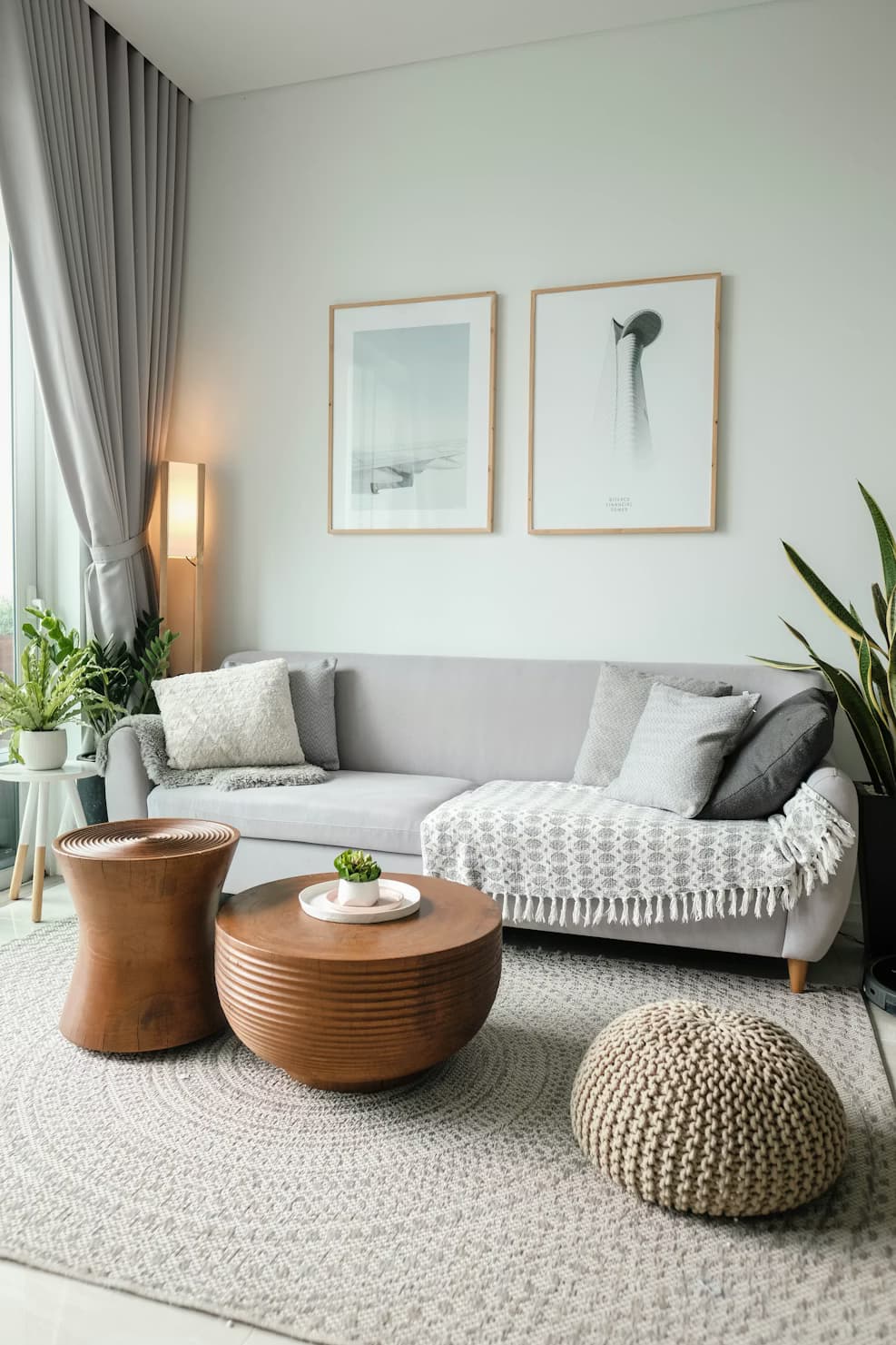
The Mathematical Secret to Color Schemes
Have you ever painted a room a color you loved in the store, only to hate it once it was on the walls? Or bought a sofa that felt "wrong" for the space but you couldn't explain why?
Interior design feels artistic, but it relies heavily on a mathematical formula known as the 60-30-10 Rule.
This rule helps you balance color so that your room has depth and interest without feeling cluttered or boring.
What is the 60-30-10 Rule?
It is a classic decor rule that suggests dividing your color palette into percentages:
- 60% of the room is your Dominant Color.
- 30% of the room is your Secondary Color.
- 10% of the room is your Accent Color.
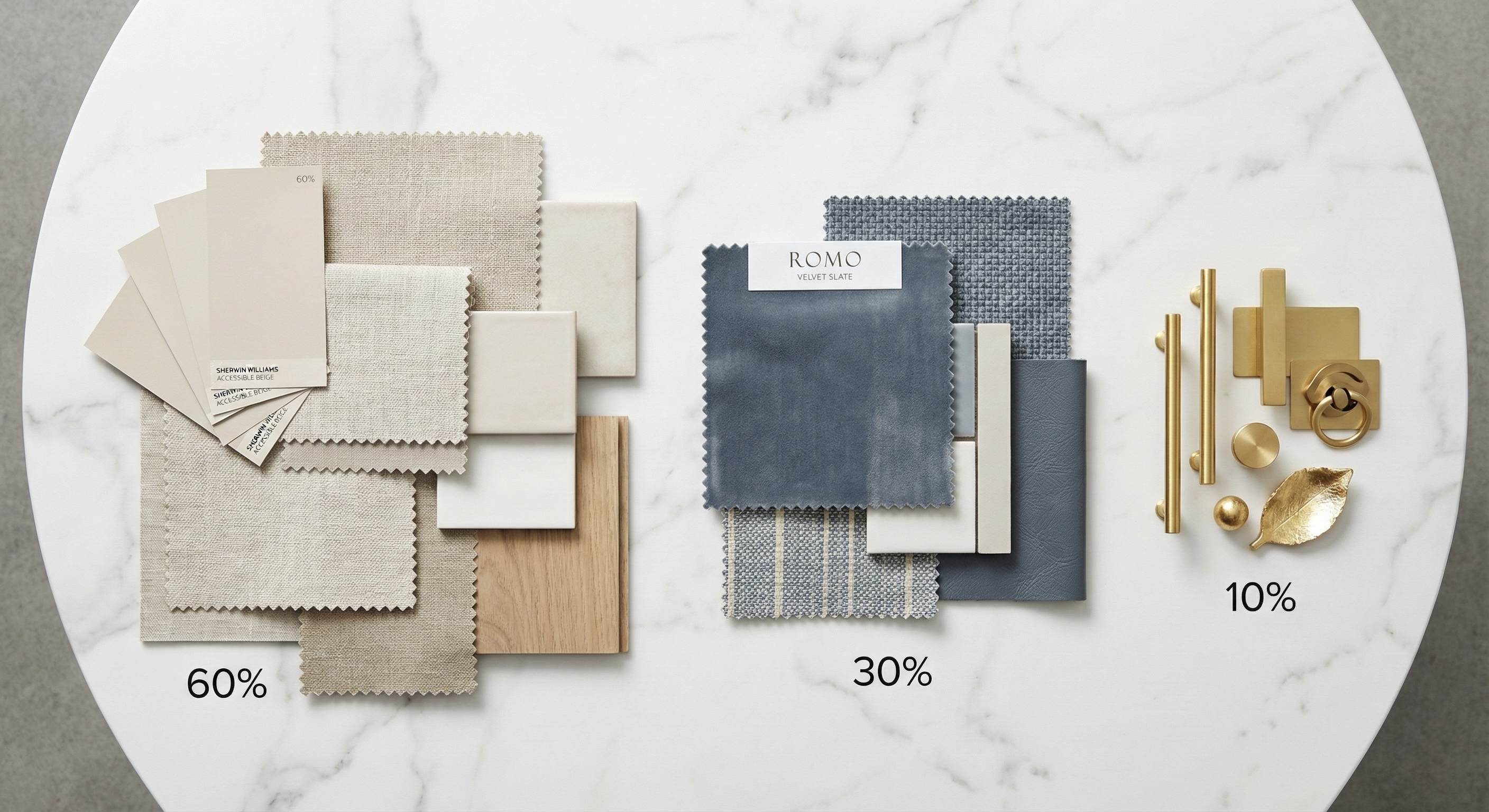
1. The 60%: The Dominant Color
This is the background color for the room. It sets the tone.
- Where it goes: Walls, large area rugs, large furniture pieces (like a sectional), or flooring.
- Goal: It should be neutral or subdued enough to be looked at in large doses.
2. The 30%: The Secondary Color
This color supports the dominant color but is different enough to create contrast.
- Where it goes: Curtains, accent chairs, bed linens, painted furniture, or an accent wall.
- Goal: It adds depth. If your walls (60%) are a soft gray, your curtains and chairs (30%) might be a deep navy blue.
3. The 10%: The Accent Color
This is the "jewelry" of the room. It’s the pop of color that draws the eye.
- Where it goes: Throw pillows, artwork, lamps, vases, or accessories.
- Goal: To add excitement. Because it's only 10%, you can afford to pick a bold, bright, or trendy color (like mustard yellow or emerald green).
Real World Example
Let's apply this to a Living Room:
- 60% (Walls & Sofa): Warm Beige.
- 30% (Curtains & Armchair): Olive Green.
- 10% (Pillows & Vase): Terracotta / Rust.
Breaking the Rules
Once you master the rule, you can break it. The most common variation is the 110% Rule, where you add a second accent color (60-30-10-10).
- Example: Adding metallic gold finishes (handles, lamp bases) alongside your main accent color.
Test Your Palette in RoomyLab
Paint is cheap, but furniture is expensive. Before you commit:
- Open your project in RoomyLab.
- Click on the walls to apply your 60% color.
- Drag in furniture to represent your 30% and 10%.
- Does the room feel balanced? Or is the accent color taking over?
Seeing the ratio in 3D is the best way to avoid a "clown house" effect.
Inspired? Start planning now.
Use our free browser-based tool to visualize this advice in your own home. No account needed.
Launch RoomyLab Editor