How to Avoid the 'Hospital Effect': The Ultimate Guide to Light Bulb Temperature
Why does your expensive renovation look like a sterile clinic? You likely chose the wrong Kelvin temperature. Here is the architectural standard for choosing the right bulb.
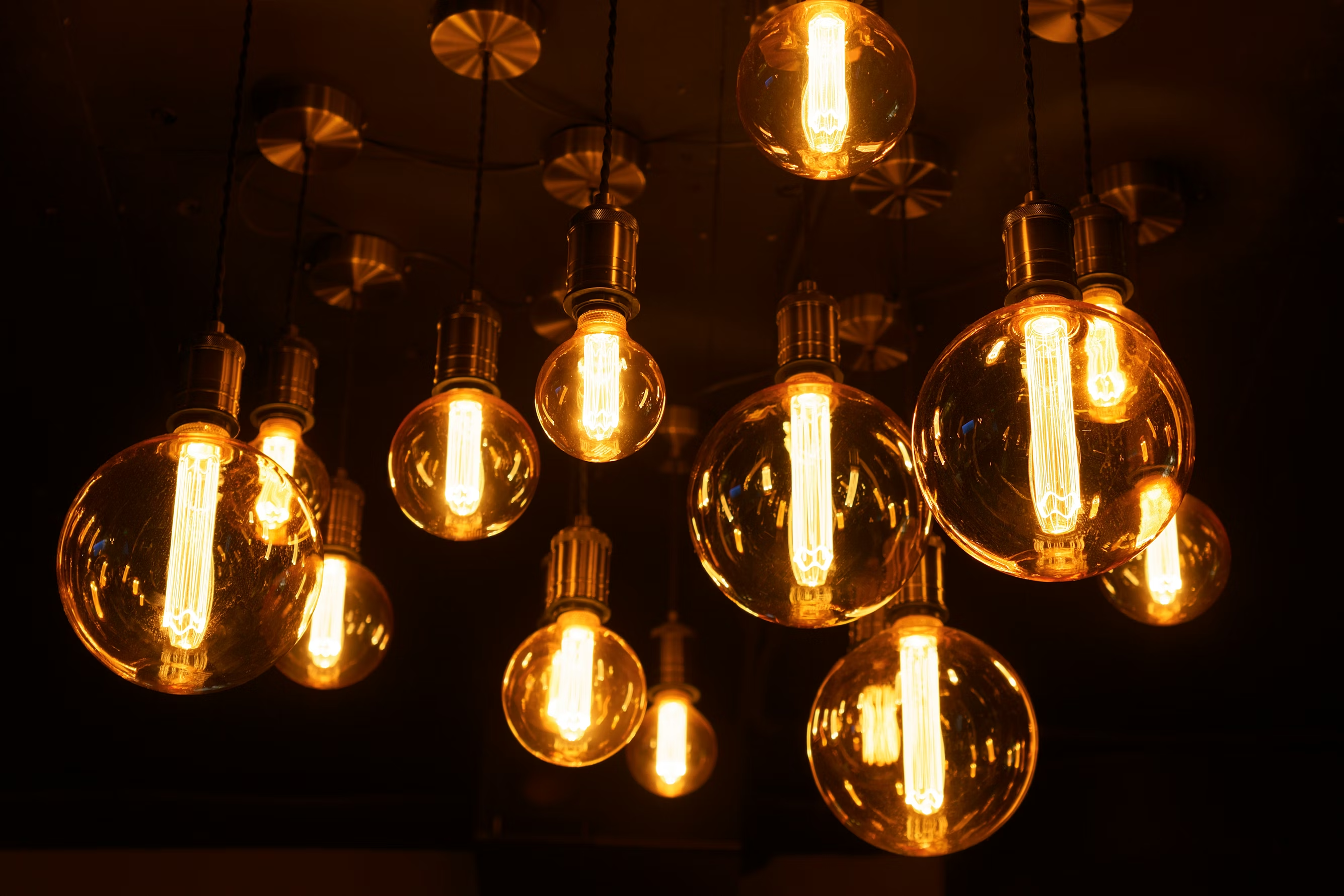
The "Hospital Effect" is Ruining Your Home
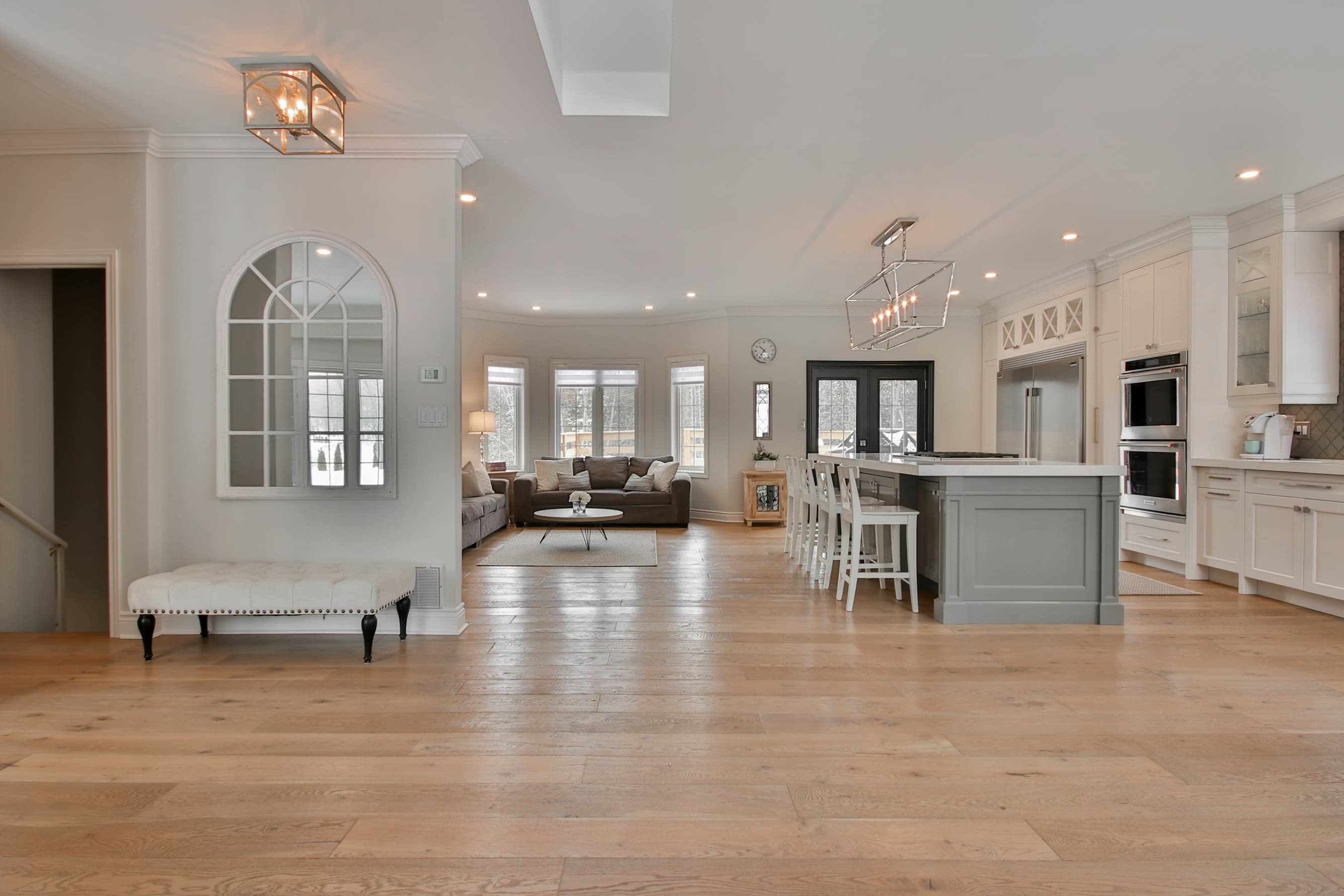
I recently walked into a client's newly renovated living room. They had spent thousands on white oak flooring, custom millwork, and a beautiful sectional. Yet, the moment I stepped inside, my shoulders tensed up. It didn't feel like a home; it felt like a dentist's waiting room.
The culprit wasn't the furniture or the paint. It was the 5000K LED bulbs in their recessed cans.
As a dual-licensed architect and software engineer, I see this mistake more than any other. We call it the "Hospital Effect." Lighting is the highest leverage tool in interior design. It can make Ikea furniture look high-end, or it can make a $50,000 renovation look sterile and cheap.
The good news? You don't need a degree to fix it. You just need to understand the Kelvin Scale and how to map your room before you call the electrician.
Understanding the Physics: The Kelvin Scale (K)
When you buy paint, you look at the color chip. When you buy light bulbs, you need to ignore the marketing terms like "Soft White" or "Daylight" and look strictly at the number on the back of the box followed by a "K."
This stands for Kelvin. It measures the thermodynamic temperature of the light source.
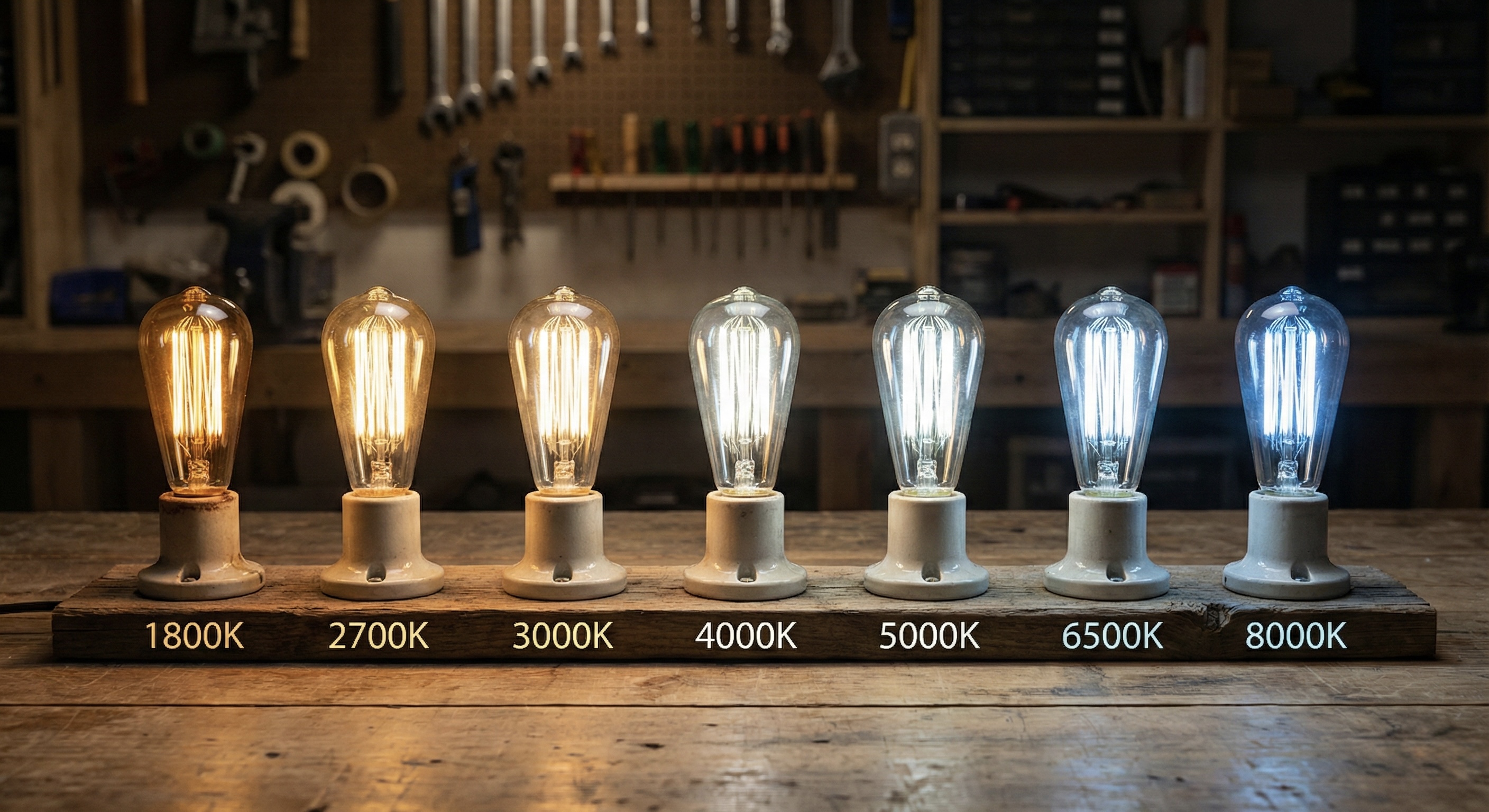
- Lower Number (1000K - 3000K): Warmer, yellower, relaxing.
- Higher Number (4000K - 6500K): Cooler, bluer, alert.
Here is the breakdown of exactly what you should buy for residential applications.
The "Cozy Zone": 2700K - 3000K
This is the residential standard. If you want your home to feel welcoming, stay here.
- 2700K: This mimics the classic incandescent bulb. It is rich and warm. Use this for table lamps, floor lamps, and bedrooms.
- 3000K: This is the modern standard for general overhead lighting. It is slightly cleaner than 2700K but still warm enough to not feel sterile.
- Best For: Living rooms, bedrooms, dining rooms, hallways.
The "Task Zone": 3500K - 4000K
As we move up the scale, we lose the yellow warmth and get a "neutral white." This increases contrast, making it easier to read recipes or apply makeup.
- Pro-Tip: I never go above 3500K in a residence unless the client specifically requests a "gallery" look. However, 4000K is acceptable for strictly utilitarian spaces.
- Best For: Garages, laundry rooms, and sometimes kitchens (though I still prefer 3000K there).
The "Danger Zone": 5000K+
This is where the Hospital Effect happens. This light contains a high amount of blue spectrum, which suppresses melatonin production in your brain. Using this in a living room will ruin your circadian rhythm and make your space feel cold.
- Best For: Operating rooms, workshops, and commercial warehouses. Keep these out of your house.
How to Visualize This in RoomyLab
The biggest issue homeowners face is guessing where the light will actually fall. You cannot just put a grid of recessed lights in the ceiling and hope for the best. You need to plan your lighting based on your furniture layout.
I built RoomyLab to solve this specific coordination problem. Here is my workflow for planning a lighting layout that actually works:
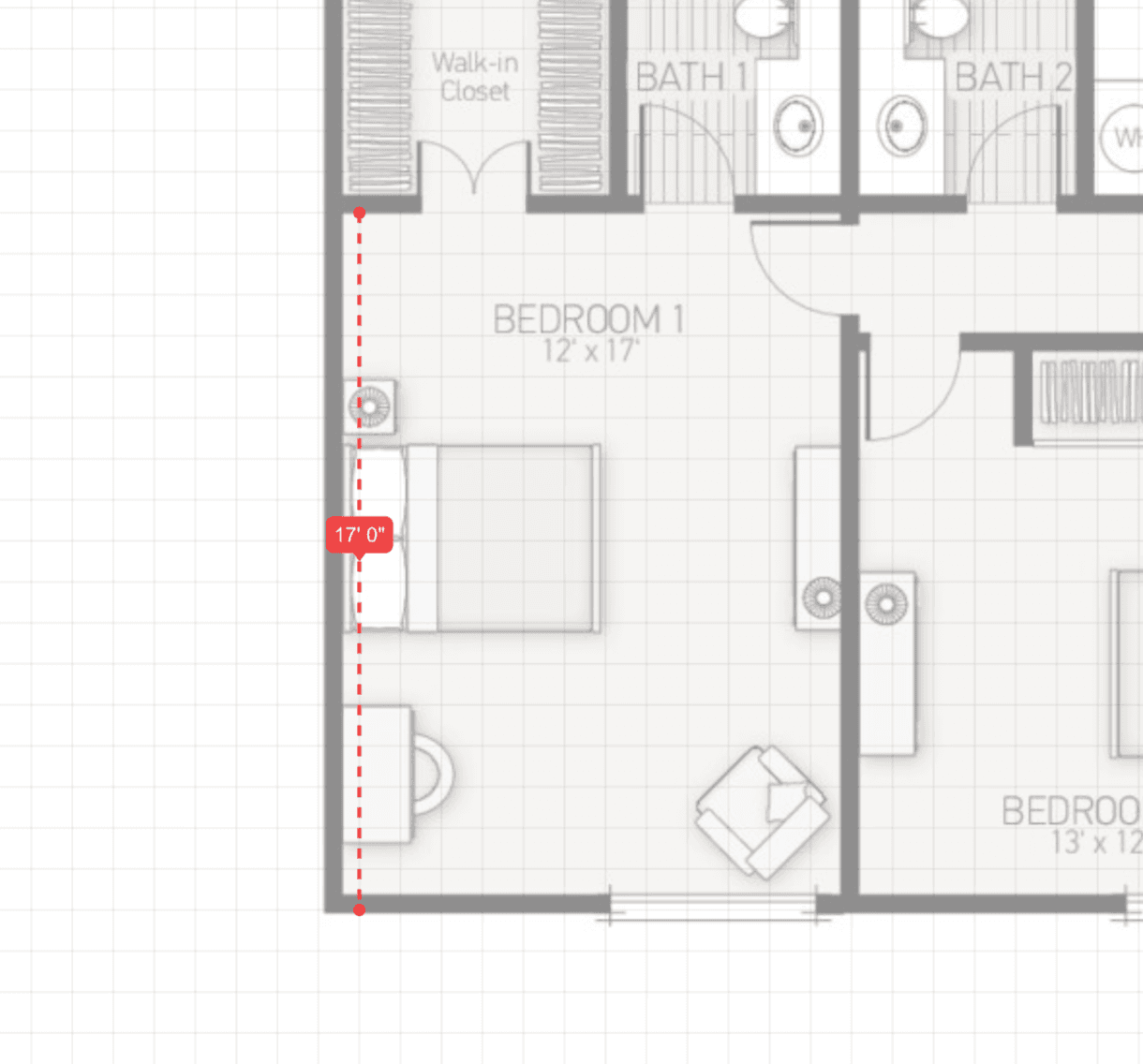
- Map the Walls: Open the Wall Tool in RoomyLab. Sketch your room dimensions quickly. Don't worry about being perfect; getting within a few inches is fine for a lighting study.
- Place Furniture FIRST: This is critical. Do not place lights until you know where the sofa is. Open the Furniture Library and drag in your key pieces (beds, sofas, dining tables).
- The "Lumen Layering" Check:
- Use the Measurement Tool (the ruler icon). I usually aim for a light source every 6 to 8 feet.
- Drag Floor Lamps from the library into corners that look dark.
- Position Table Lamps on side tables.
- Verify the Pathways: Ensure you aren't placing recessed lights directly over where someone will sit (creates shadows under eyes). Place them over pathways instead.
By visualizing the furniture before the electrical rough-in, you avoid paying an electrician to move a junction box three inches to the left later.
3 Expensive Mistakes to Avoid
In my fifteen years of building and coding, these are the three most costly lighting errors I see people make.
1. The "Swiss Cheese" Ceiling
Many contractors will suggest a standard "4-can or 6-can grid" for a room. Resist this.
- The Mistake: Drilling too many holes in your ceiling turns your drywall into Swiss cheese and floods the room with flat, uninteresting light.
- The Fix: Use fewer recessed lights. Rely on lamps and sconces. Recessed lights are for general illumination; lamps are for atmosphere.
2. Mixing Color Temperatures
Nothing looks cheaper than a room with "Zebra Striping." This happens when your overhead lights are 4000K, your table lamp is 2700K, and your kitchen under-cabinet lights are 5000K.
- The Rule: Pick a lane. My default recommendation for a whole house is 3000K everywhere. It simplifies buying bulbs and ensures consistency.
3. Buying Low CRI Bulbs
Kelvin is the color, but CRI (Color Rendering Index) is the quality.
- The Science: A low CRI bulb (under 80) is missing parts of the color spectrum. It makes red apples look brown and healthy skin look gray.
- The Fix: Always check the box for "CRI 90" or higher. It usually costs $1-2 more per bulb, but it is the difference between your home looking vibrant or dull.
Frequently Asked Questions
Q: Can I use 4000K in the bathroom and 3000K in the bedroom? A: You can, but be careful. If the bathroom door opens directly into the bedroom, the difference will be jarring. I prefer using 3000K in bathrooms but adding more lumens (brightness) rather than changing the temperature.
Q: What if I already have 5000K recessed lights installed? A: If they are integrated LED fixtures (where you can't change the bulb), you might have to replace the trim. However, many modern LED fixtures have a switch on the back of the housing unit that lets you toggle between 3000K, 4000K, and 5000K. Pull one down and check before you buy replacements!
Q: How many lumens do I need for a living room? A: A general rule of thumb for a relaxing space is 10-20 lumens per square foot. For a 200 sq ft living room, you want roughly 2,000 to 4,000 lumens total—spread across overheads and lamps.
Your Next Step
Go look at the bulb currently in your bedside lamp. Is it 2700K or 3000K? If it's higher, swap it out this weekend.
If you are planning a larger renovation, don't guess. Open RoomyLab right now, sketch your room, and see exactly where those lights need to go before you spend a dime on wiring.
Inspired? Start planning now.
Use our free browser-based tool to visualize this advice in your own home. No account needed.
Launch RoomyLab Editor