Is Open Concept Right for Your Home?
Breaking down walls isn't always the best answer. Here is why you might want to keep some boundaries.
Before You Swing the Sledgehammer...
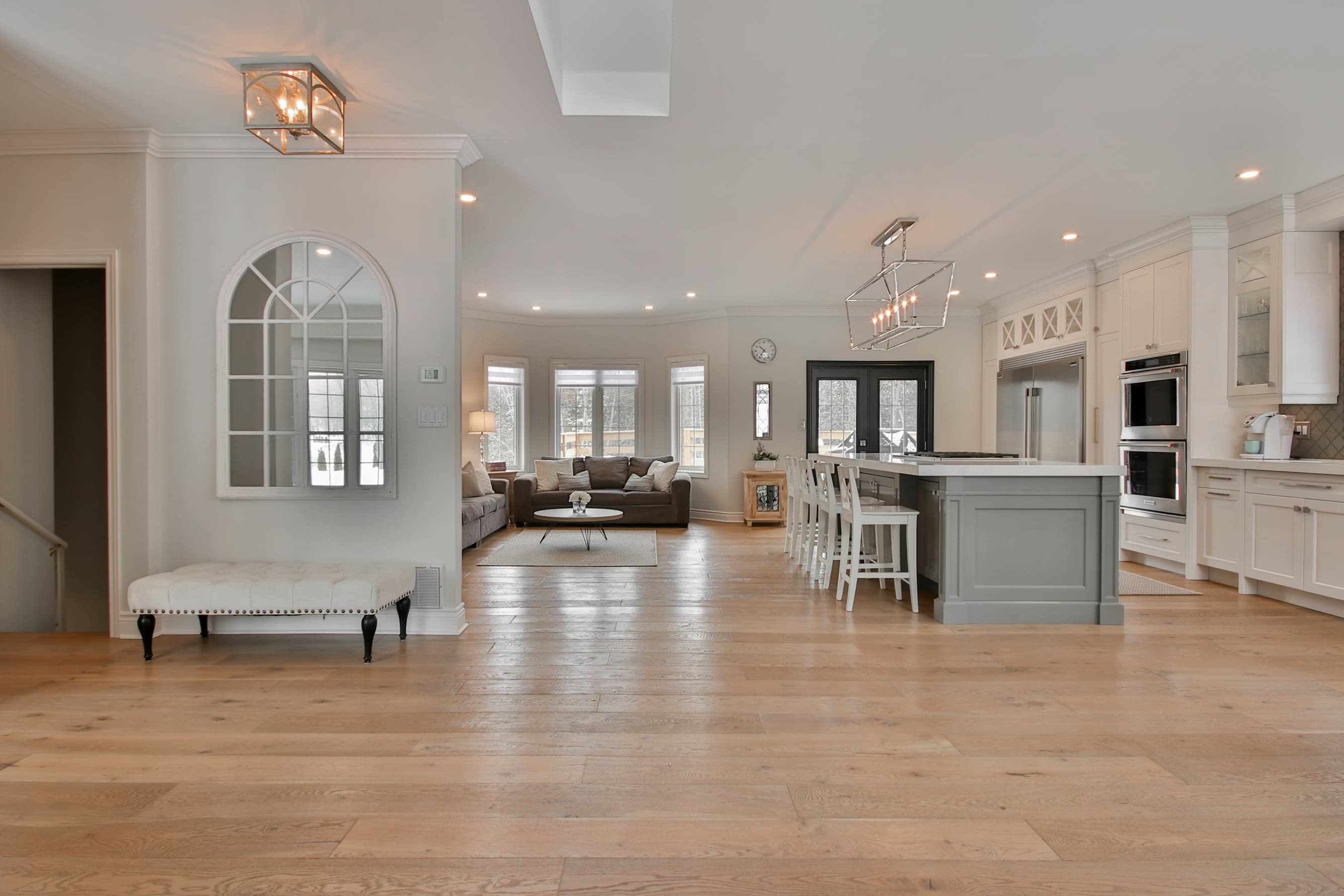
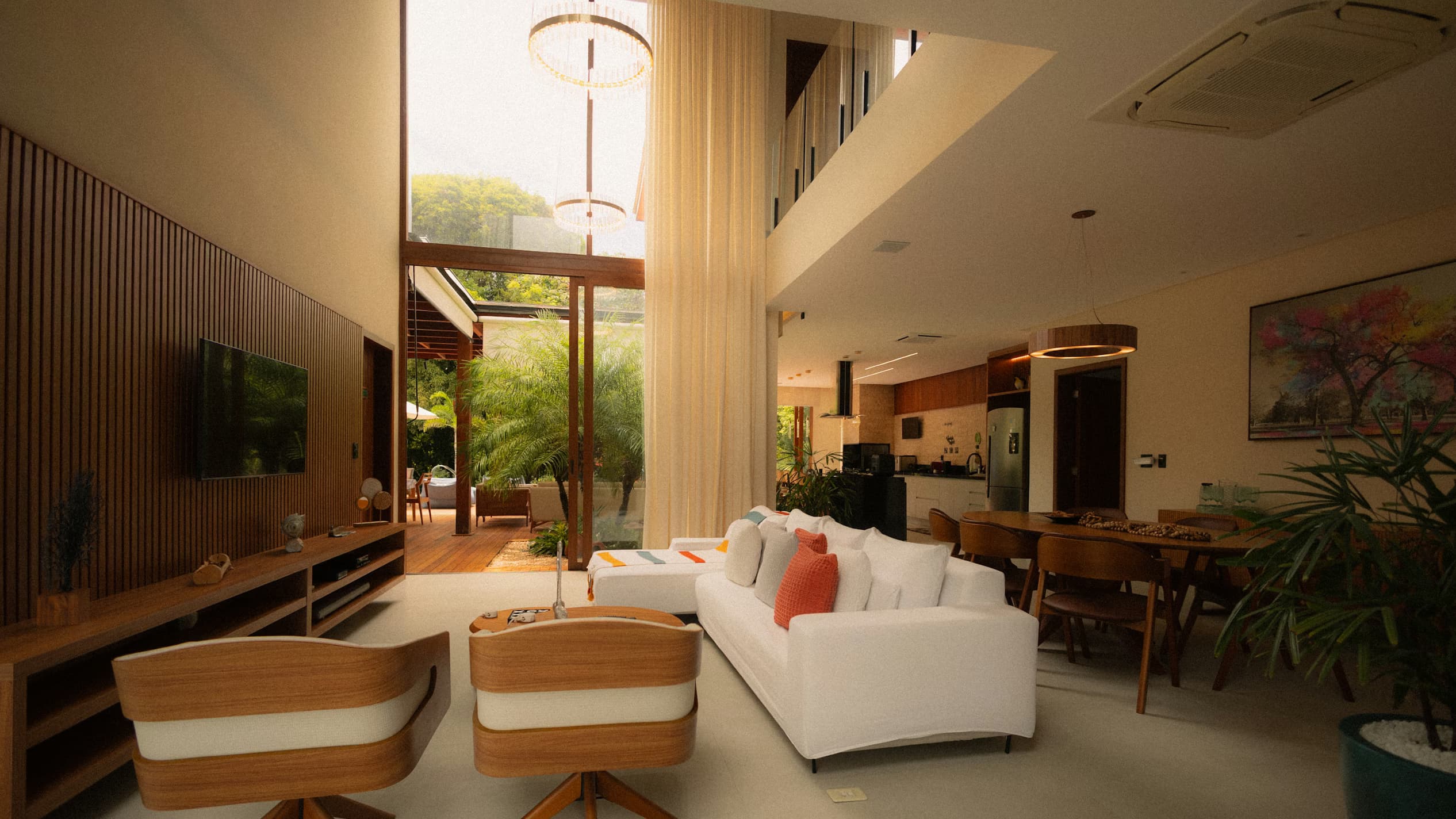
"Open Concept" has been the default renovation goal for twenty years. We watch HGTV, see a wall come down, and suddenly a cramped 1970s ranch looks like a modern palace.
But I am seeing a massive shift in the designs users are building on RoomyLab. People are starting to put walls back up.
Why? Because living in a warehouse is loud.
The Reality Check (Cons)
Before you spend $5,000 on a structural beam to remove a wall, consider the downsides that nobody talks about on TV.
1. The "Smoothie Problem" (Noise)
In an open concept home, there is no sound barrier. If I am blending a smoothie in the kitchen, anyone trying to watch a movie in the living room is going to pause it and glare at me. If you work from home, open concept can be a nightmare for Zoom calls.
2. The "Messy Kitchen" Anxiety
When you remove the walls, your dirty dishes are now part of your living room decor. You can't just "close the door" on the mess when guests arrive. Your entire living space must be kept tidy 24/7.
3. The HVAC Bill
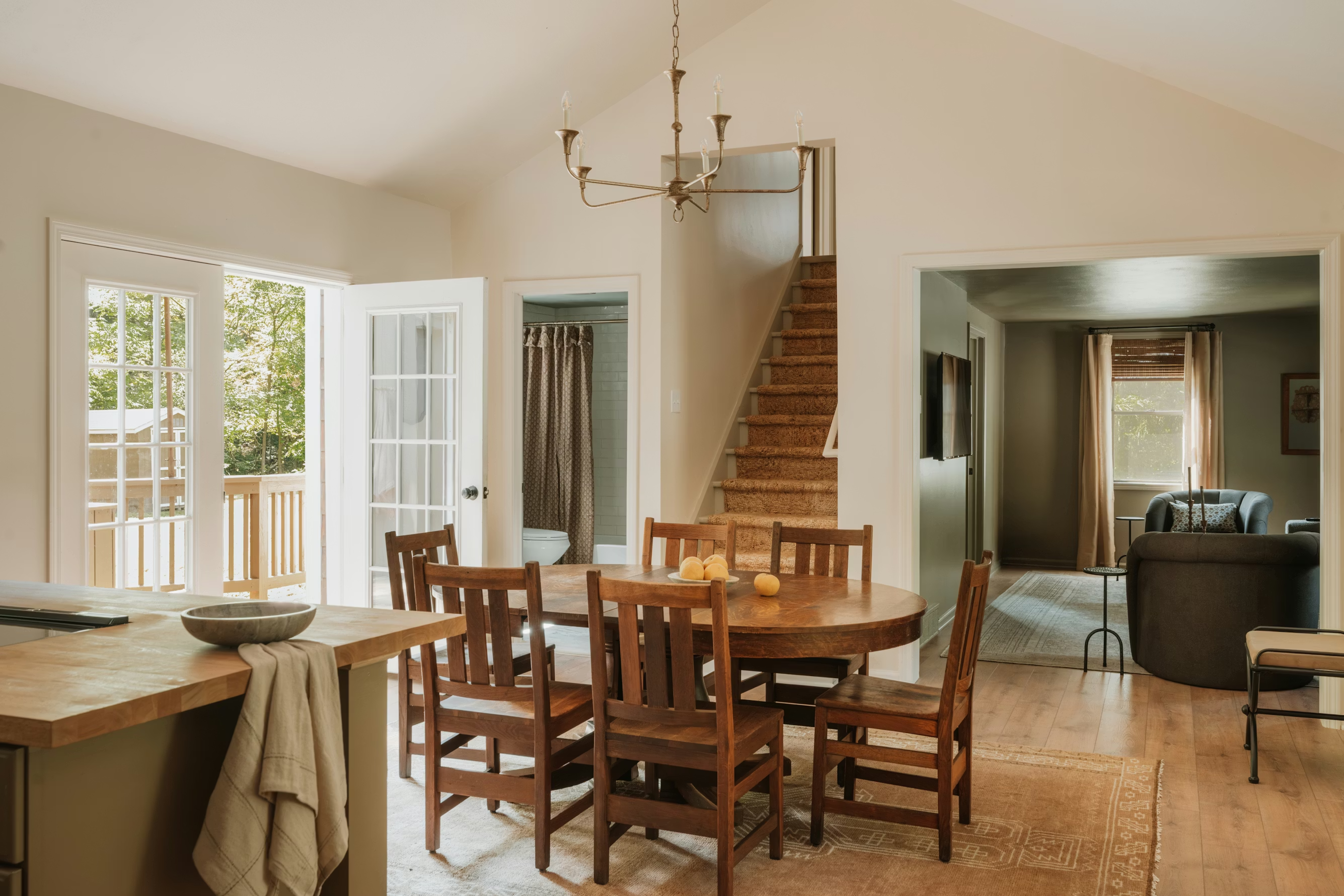
Heating one massive "Great Room" is significantly less efficient than heating smaller, contained zones. Hot air rises, so if you have vaulted ceilings in an open plan, you are paying to heat the ceiling fan, not your feet.
Why We Still Do It (Pros)
I'm not saying Open Concept is bad. I love it for:
- Sightlines: You can keep an eye on the kids while you cook.
- Light: A single window can now light up 40 feet of house depth.
- Value: Despite the trend shift, open layouts generally still appraise higher than compartmentalized ones in most markets.
- Accessibility: Fewer doors and hallways make it easier to navigate for people with mobility aids.
The Compromise: "Broken Plan"
There is a middle ground. It's called "Broken Plan" living. This involves using partial barriers to create "zones" without blocking the light.
- Half Walls: Great for separating the kitchen but keeping sightlines.
- Glass Partitions: Crittall-style glass walls keep the noise out but let the light in.
- Open Shelving: Use a large bookshelf as a room divider.
- Level Changes: A sunken living room defines the space without a wall.
The "Virtual Demolition" Test
Taking down a load-bearing wall costs thousands of dollars. Deleting a wall in RoomyLab is free.
Before you hire a structural engineer, try this:
- Build Current State: Draw your house exactly as it is today.
- Hit Delete: Select the wall you want to remove and delete it.
- The "Furniture Tetris": Now, try to place your sofa and TV.
This is where 50% of people change their minds. You might realize that by removing that wall, you lost the only place to mount the TV or put the buffet table. It is better to realize that on a screen than after the drywall dust has settled.
Frequently Asked Questions
Q: How do I know if a wall is load-bearing? A: You cannot know for sure without an engineer. However, generally speaking, external walls are always load-bearing. Internal walls that run perpendicular to the floor joists in the attic are often load-bearing. Never remove a wall without a pro checking it.
Q: Does open concept decrease home value? A: Generally, no. It still sells well. However, having zero private spaces (like a home office) is now a negative factor for buyers who work remotely.
Q: Can I use paint to define rooms in an open plan? A: Yes! Using a different wall color or a different rug is the easiest way to create visual separation in a large room.
Inspired? Start planning now.
Use our free browser-based tool to visualize this advice in your own home. No account needed.
Launch RoomyLab Editor