The Ultimate Paint Sheen Guide: Satin vs. Eggshell vs. Flat
Picking the color is only half the battle. Choosing the wrong sheen can highlight every dent in your drywall. Here is the rulebook for every room.
The "Gloss" Trap
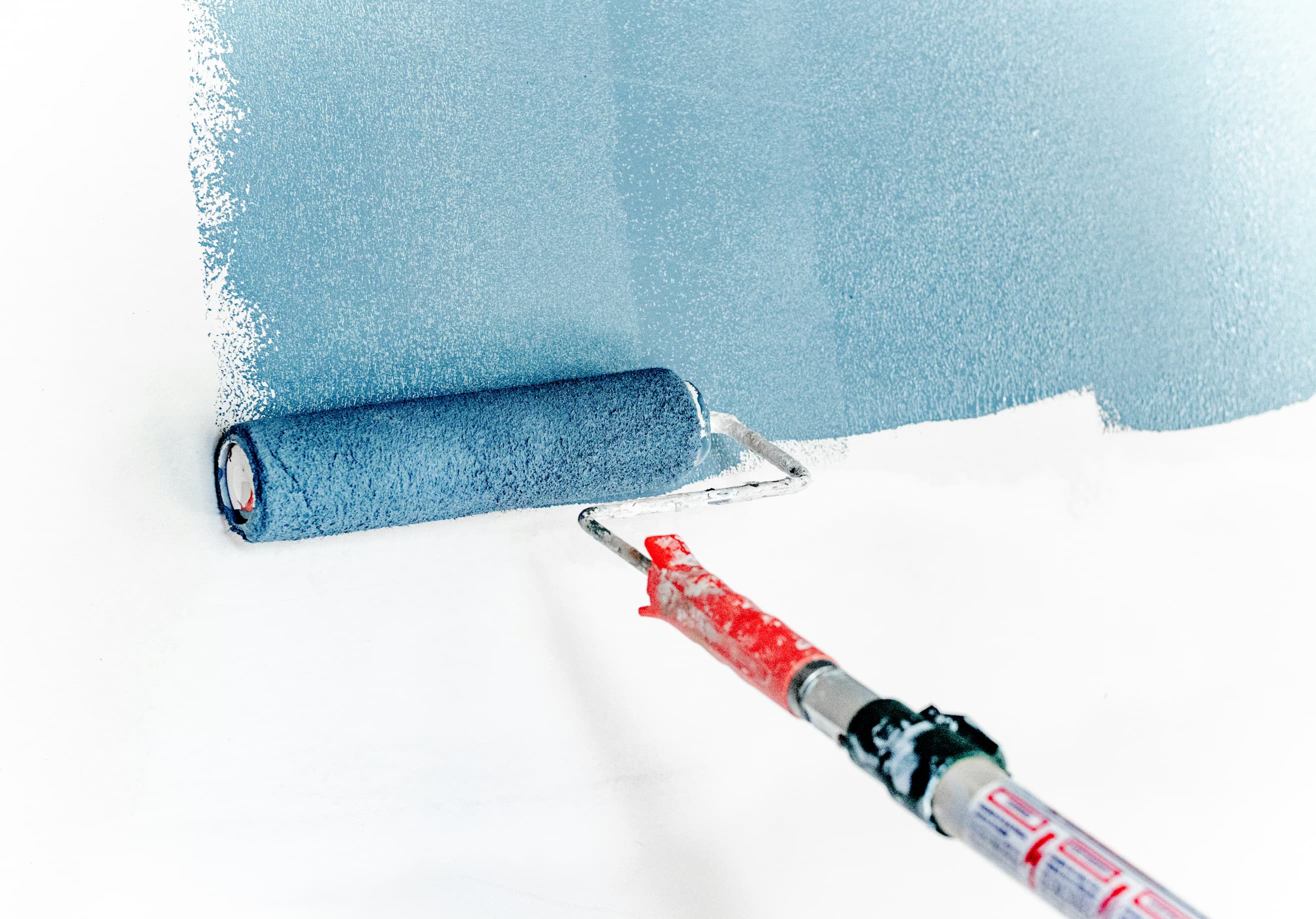
You spent three weeks picking the perfect shade of "Greige." You bought the expensive rollers. You taped off the baseboards.
But when the paint dried, something looked wrong. The walls looked shiny, plastic, and cheap. Or maybe they looked chalky and every time your dog brushed against them, it left a permanent scuff mark.
You picked the wrong sheen.
Paint sheen (or finish) refers to how much light the paint reflects. It ranges from "Flat" (no shine) to "High Gloss" (mirror-like). Understanding this scale is the secret to hiding imperfections and keeping your home cleanable.
1. Flat / Matte (0-5% Reflection)
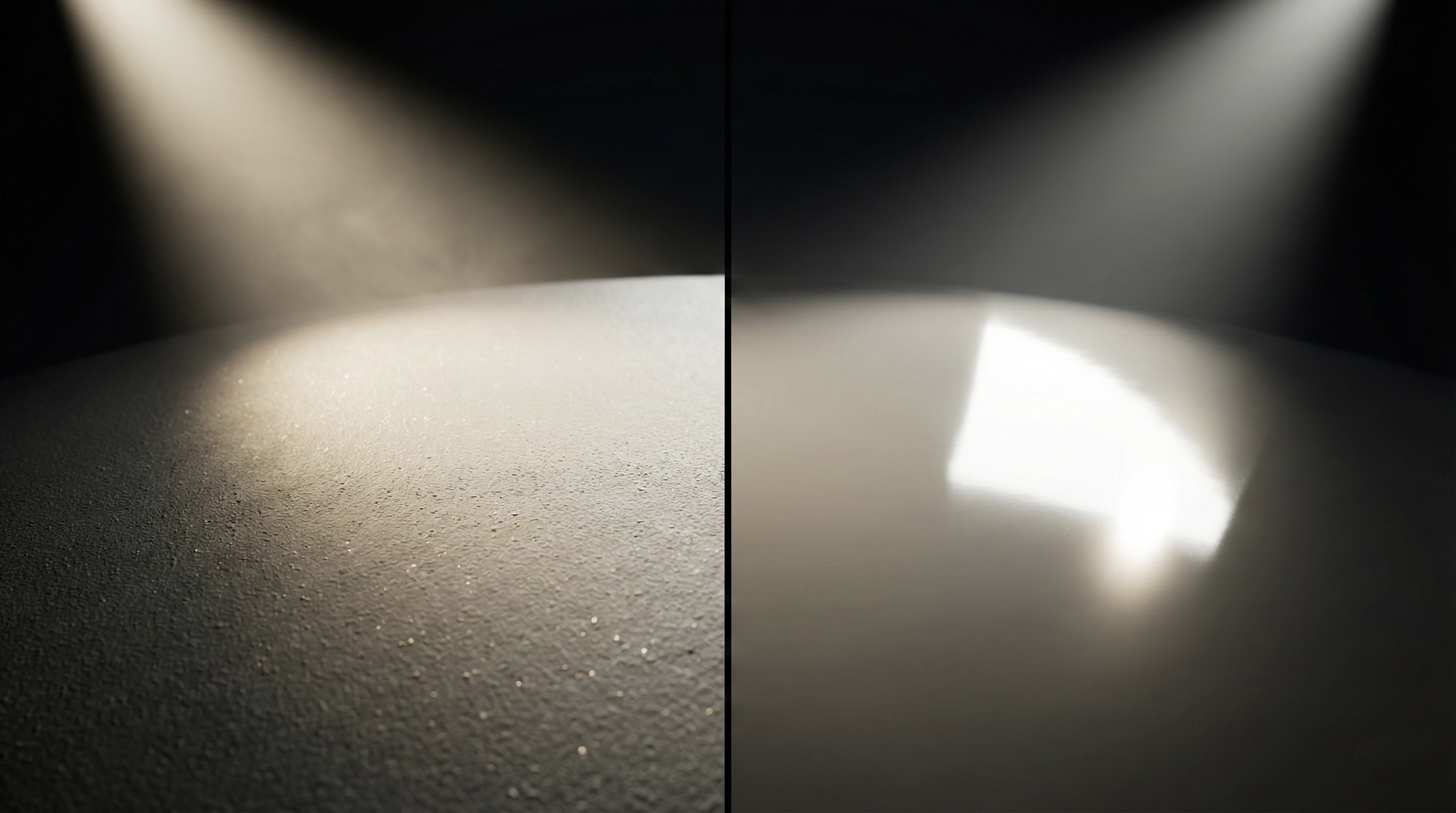
Flat paint absorbs light completely. It has zero shine.
- The Superpower: It is the ultimate concealer. If your walls have bumps, patches, or bad taping seams, Flat paint makes them disappear.
- The Weakness: It is a nightmare to clean. If you wipe it with a wet rag, you might rub the paint right off.
- Where to use it:
- Ceilings: Always use flat white on ceilings to hide uneven textures.
- Low-Traffic Areas: Guest bedrooms or dining rooms that don't see sticky fingers.
2. Eggshell (10-25% Reflection)
This is the "Velvet" standard. It looks flat when you look straight at it, but has a soft glow when viewed from an angle.
- The Superpower: It is scrubbable enough for adults, but soft enough to look high-end.
- Where to use it:
- Living Rooms: The industry standard.
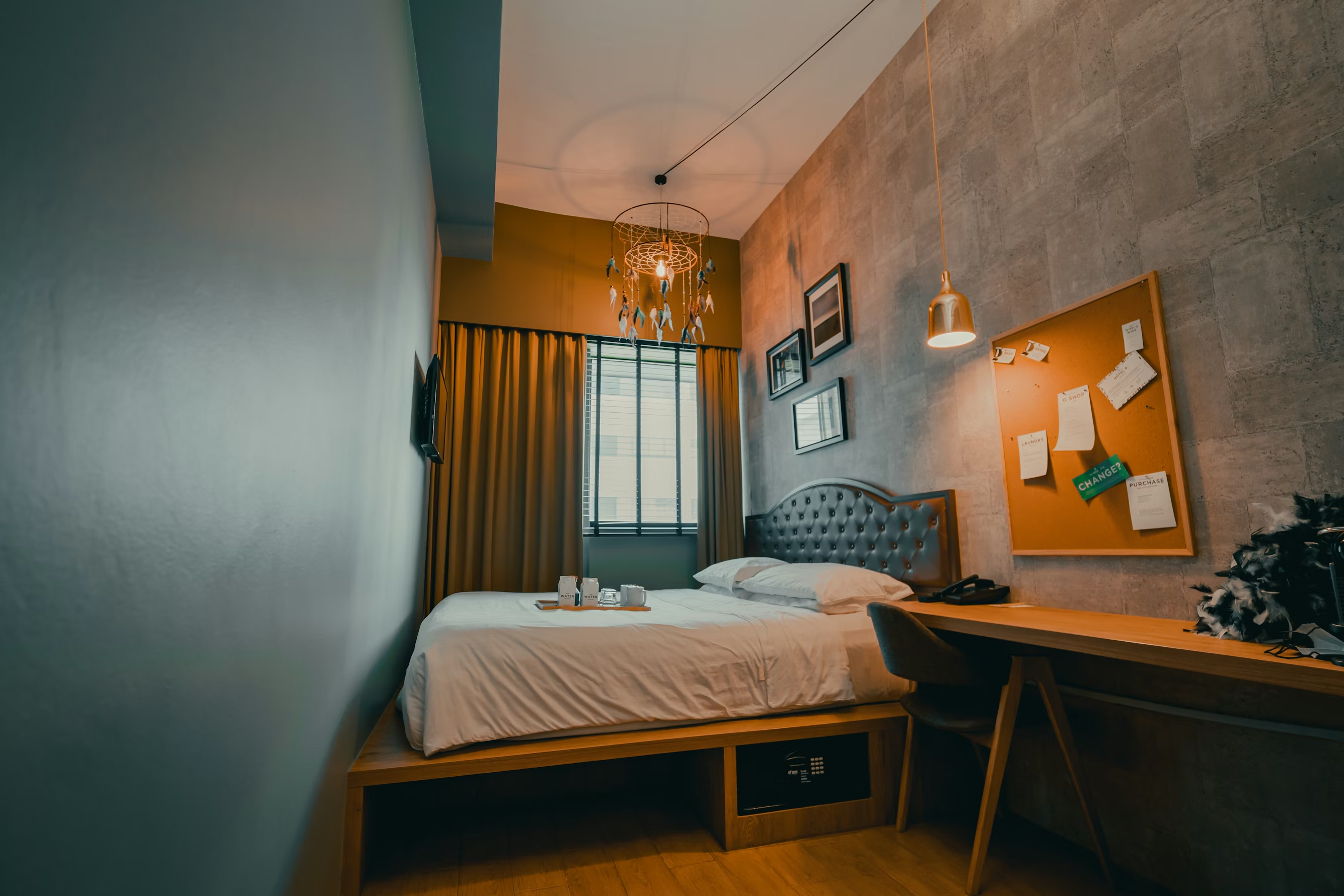
- Bedrooms: Soft and cozy.
- Hallways: If you don't have kids or big dogs.
3. Satin (25-35% Reflection)
Satin is the workhorse of the American home. It is noticeably shinier than Eggshell—often described as "pearl-like."
- The Superpower: Durability. You can scrub Satin with a sponge and cleaner without damaging the finish. It resists moisture better than Eggshell.
- The Weakness: It starts to show wall imperfections. If you have a bad patch job, Satin will highlight it.
- Where to use it:
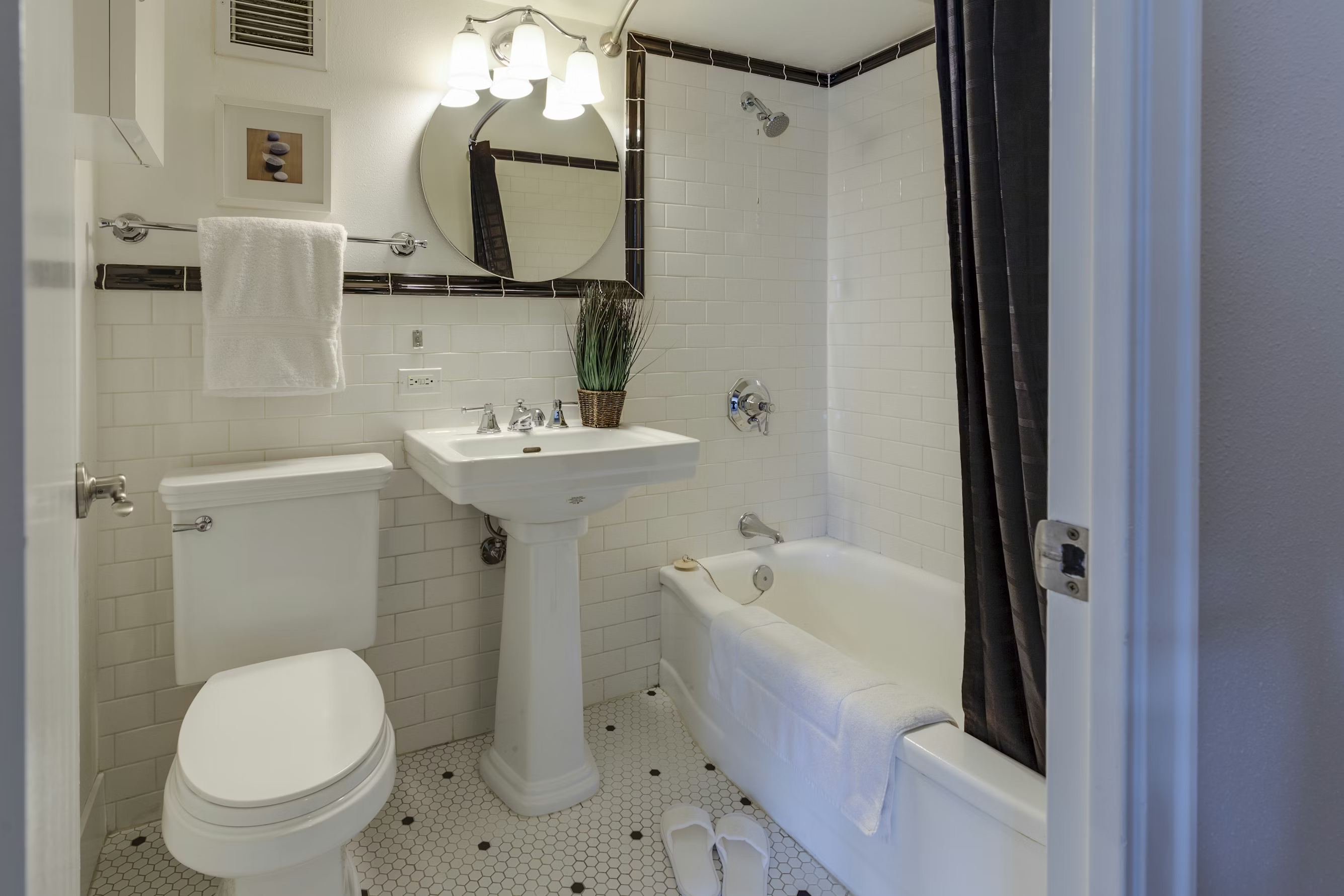
- Bathrooms: Essential for resisting humidity and steam.
- Kitchens: Necessary for wiping off grease splatter.
- Kid's Rooms: Crayons wipe off Satin; they stain Flat paint forever.
4. Semi-Gloss (35-60% Reflection)
Now we are getting shiny. Semi-gloss is tough as nails.
- The Superpower: It creates a hard, durable shell. It creates a nice visual contrast against Eggshell walls.
- Where to use it:
- Trim & Baseboards: Always.
- Doors: Hand oils ruin lower sheens; Semi-Gloss stands up to handling.
- Cabinets: If you are painting kitchen cabinets, Semi-Gloss (or a dedicated cabinet enamel) is mandatory.
5. High Gloss (70%+ Reflection)
This is a design statement. It looks like wet nail polish.
- The Warning: High Gloss highlights everything. If your wall isn't perfectly skim-coated by a professional plasterer, High Gloss will make it look like the surface of the moon.
- Where to use it:
- Front Doors: For that classic "London" look.
- Dramatic Accents: A lacquered library or furniture piece.
The "Bathroom" Debate: Satin or Semi-Gloss?
This is the most common search query.
- Old School Rule: Use Semi-Gloss in bathrooms to stop mold.
- Modern Rule: Premium Satin paints now have "antimicrobial" additives. Unless you want your bathroom to look like a locker room, stick to a high-quality Satin. It protects against steam without the harsh glare.
Inspired? Start planning now.
Use our free browser-based tool to visualize this advice in your own home. No account needed.
Launch RoomyLab Editor