Mastering the Small Bathroom Layout: Dimensions & Clearances
Bathrooms are the most expensive room per square foot to renovate. Here is how to squeeze a tub, toilet, and vanity into a tight space without breaking code.
The Tetris Game of Bathroom Design
renovating a bathroom is pound-for-pound the most expensive project you will do in your home. While a living room is just drywall and carpet, a bathroom is a complex web of plumbing, waterproofing, electrical, and tile.
Because the costs are so high, the layout must be perfect before you buy a single tile.
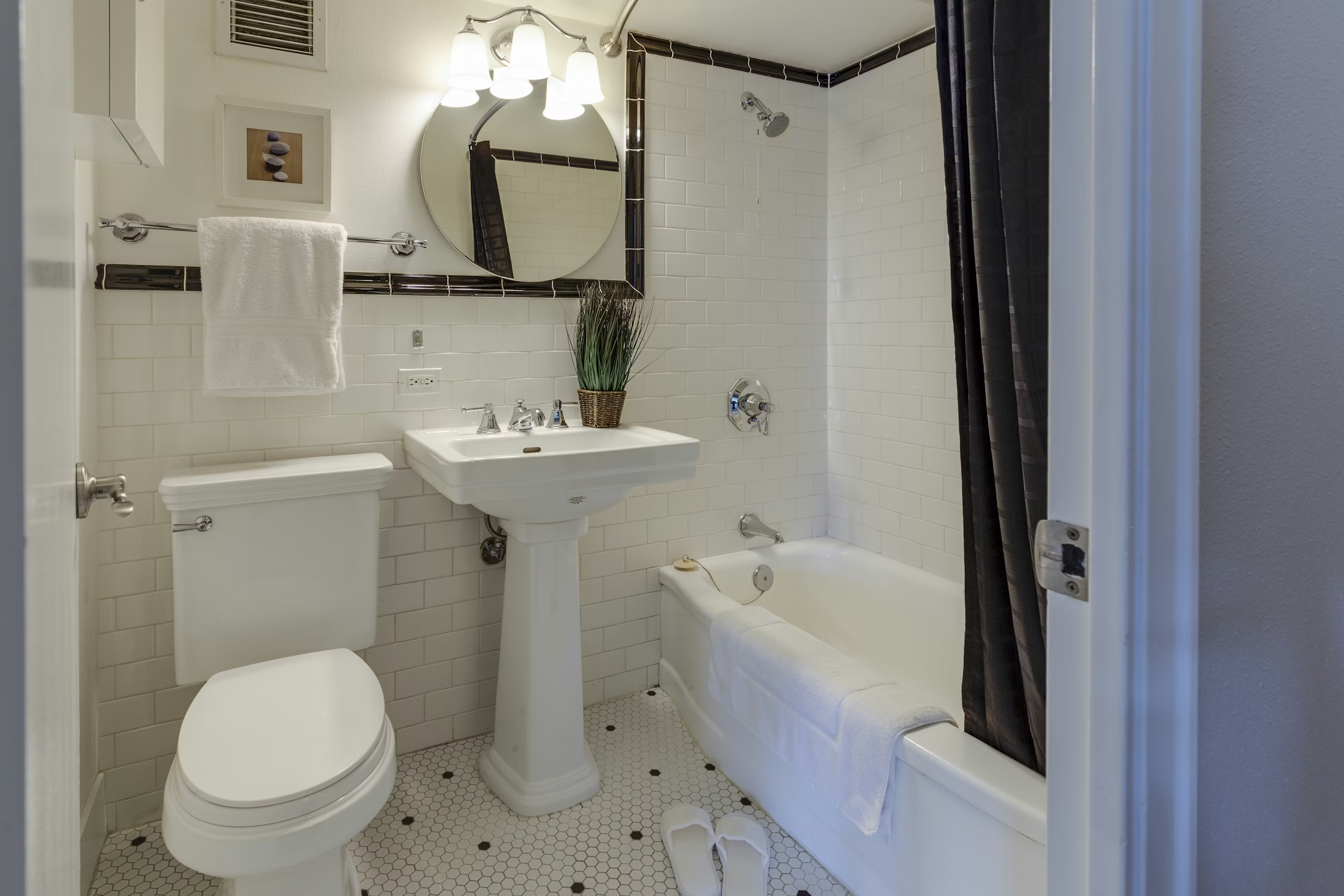
If you are working with a standard 5x8 foot bathroom (the most common size in older homes) or trying to squeeze a powder room under the stairs, every inch counts.
Key Dimensions You Cannot Ignore
Building codes vary by state, but these are the standard design minimums you should stick to for comfort and functionality.
1. The Toilet (The "Water Closet")
- Side-to-Side: You need a minimum of 15 inches from the center of the toilet to the nearest wall or vanity. That means the toilet requires a 30-inch wide space total.
- Front Clearance: You need at least 21 inches of clear walking space in front of the toilet. 24-30 inches is much more comfortable.
2. The Vanity & Sink
- Standard Depths: 21 inches (standard) or 18 inches (narrow/space-saver).
- Single vs. Double: A double vanity needs to be at least 60 inches wide (5 feet). If you only have 48 inches, stick to a single sink with more counter space. Two sinks in a 48-inch cabinet means zero drawer space.
3. The Shower & Tub
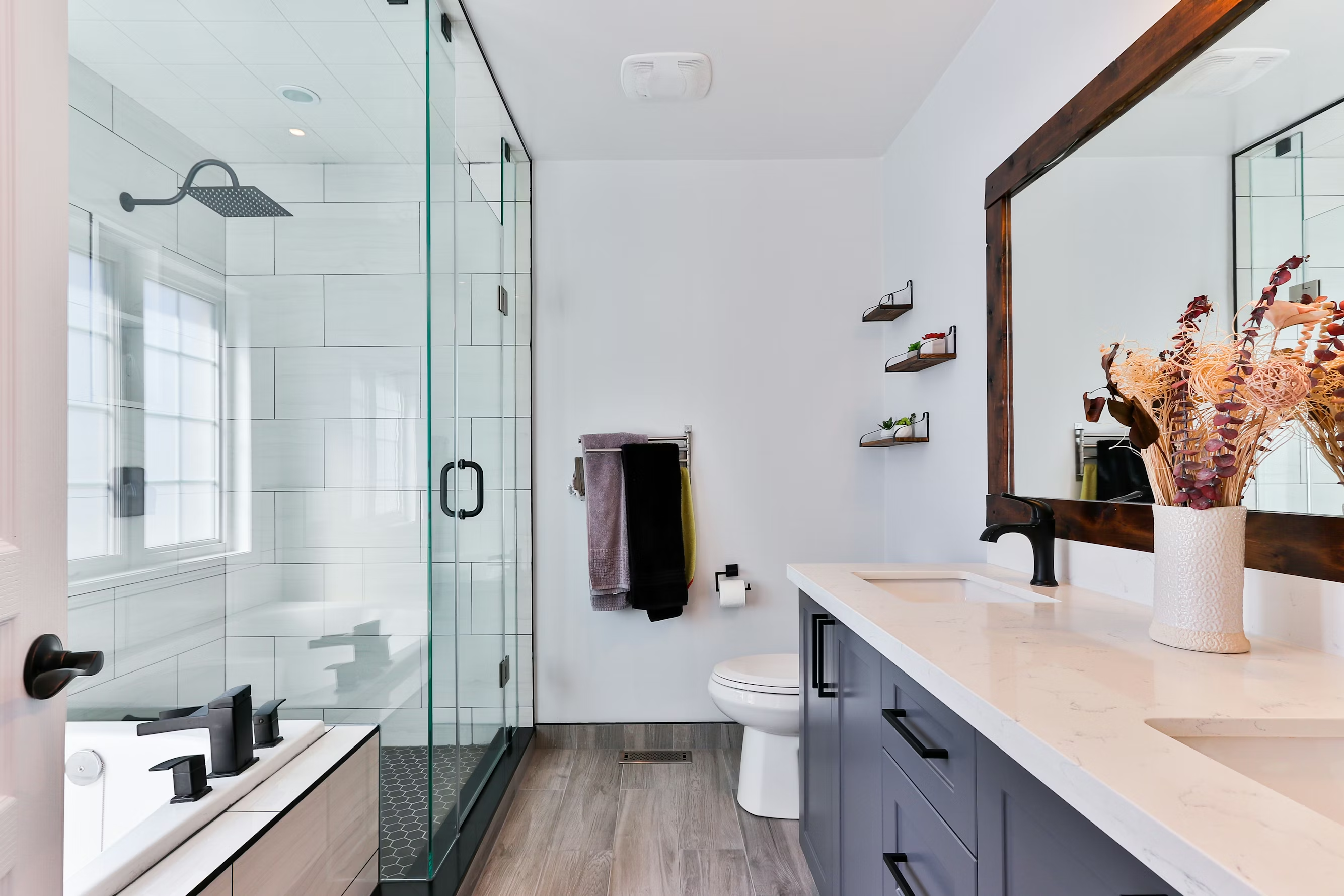
- Standard Tub: 60 inches long x 30 inches wide.
- Walk-in Shower: The absolute minimum code allows is usually 30x30 inches, but this feels like a phone booth. Aim for 32x32 inches minimum, with 36x36 inches being the standard for comfort.
3 Common Layout Mistakes
1. The "Knee Knocker" Door
In small bathrooms, the entry door usually swings in.
- The Problem: The door swings open and hits the vanity, or worse, hits the knees of someone sitting on the toilet.
- The Fix: If space is tight, switch to a pocket door or flip the swing to open out into the hallway (if your local code allows).
2. The Toilet Focal Point
Avoid designing a layout where the toilet is the very first thing you see when you open the door.
- The Fix: If possible, tuck the toilet behind the vanity or in a corner. Let the vanity mirror or a beautiful tiled shower be the visual anchor.
3. Ignoring the "Wet Wall" (Budget Tip)
If you are on a tight budget, do not move the toilet. Moving a toilet stack (the 3-4 inch drain pipe) is expensive and difficult.
- The Fix: In RoomyLab, start by drawing your existing drain locations. Try to keep the new fixtures in the same general spots to save thousands on plumbing labor.
Visualizing Tight Spaces
It is incredibly hard to visualize if a 30-inch shower feels too small just by looking at numbers.
- Open RoomyLab.
- Draw your bathroom walls exactly to scale (e.g., 5' x 8').
- Drag in a "Shower" and resize it to your planned dimensions.
- Add the toilet and vanity.
- Look at the empty space. Is there enough room to stand and towel off?
If the layout looks tight on the screen, it will feel suffocating in real life.
Inspired? Start planning now.
Use our free browser-based tool to visualize this advice in your own home. No account needed.
Launch RoomyLab Editor