Walk-In Closet Dimensions: The Ultimate Layout Guide
Planning a dream closet? Here are the exact measurements for hanging rods, shelving depths, and island clearances to maximize your storage.
Stop Wasting Space: The Science of Closet Design
The biggest lie in home design is that you need a massive room to have a luxury closet. You don't. You just need better math.
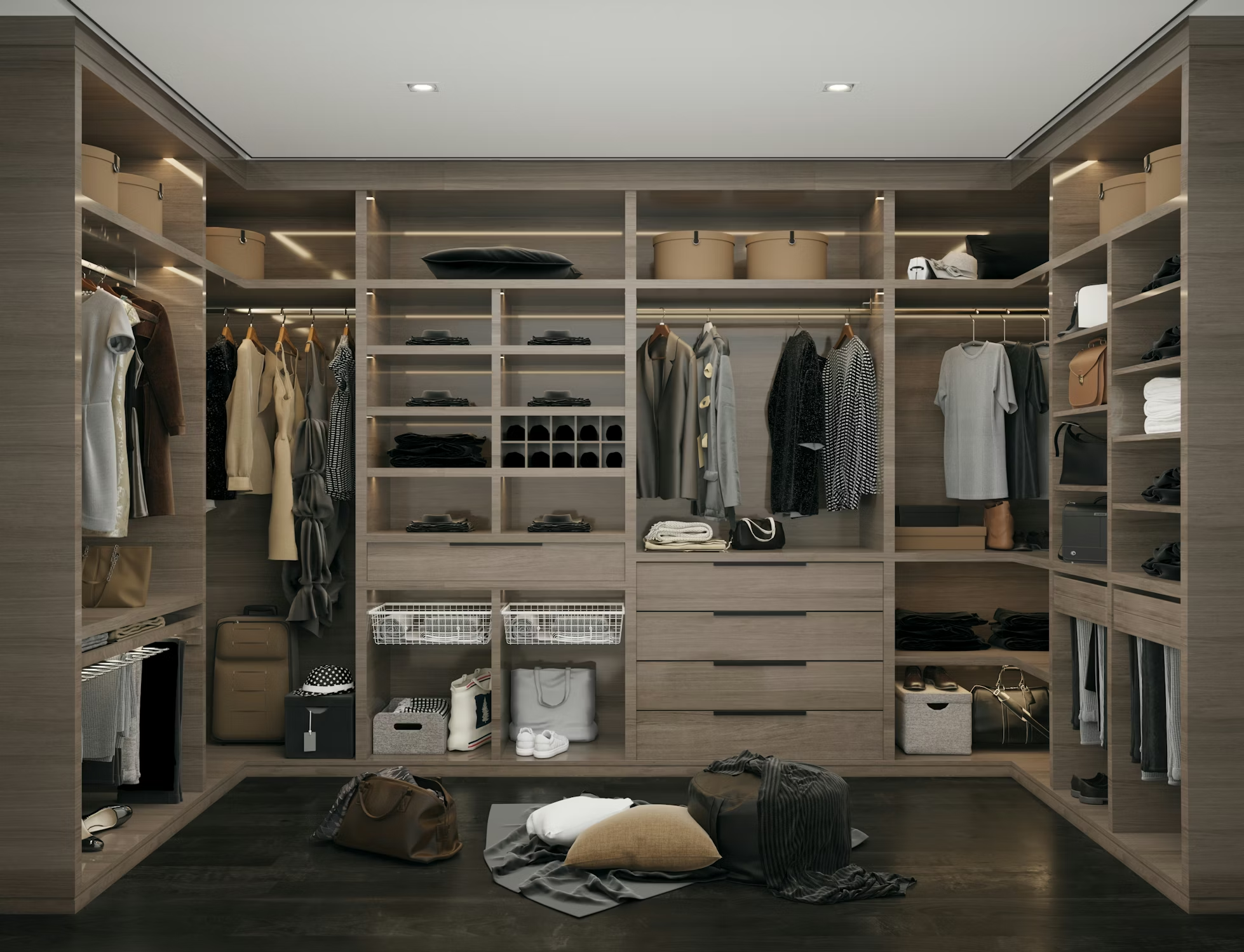
Most builder-grade closets use a single wire shelf at 68 inches high. This leaves 50% of the wall space completely empty. By optimizing your vertical spacing and understanding standard depths, you can often double the storage capacity of your existing closet without knocking down a single wall.
Whether you are converting a spare room or optimizing a small reach-in, here are the numbers you need to know.
1. The Critical Widths
Before you start buying closet systems, you need to know if your room is wide enough for the layout you want.
Single Wall (Reach-In or Narrow Walk-In)
- Minimum Width: 4 to 5 feet.
- Layout: Hanging clothes on one side, walking path on the other.
The "Galley" (Double Sided)
This is the most efficient layout for medium walk-ins.
- Minimum Width: 6.5 to 7 feet (78-84 inches).
- The Math: 24" clothes depth + 30" walkway + 24" clothes depth = 78 inches.
- Warning: If your closet is less than 6.5 feet wide, clothes on opposite sides will touch, and you will feel cramped.
2. Standard Hanging Heights
To maximize vertical space, most designers use a "Double Hang" system.
Double Hang (Shirts & Pants)
This doubles your storage by stacking two rods.
- Top Rod: 80 to 82 inches from the floor.
- Bottom Rod: 40 to 42 inches from the floor.
- Clearance: You need roughly 38-40 inches of pure hanging space for a standard shirt or folded pant.
Long Hang (Dresses & Coats)
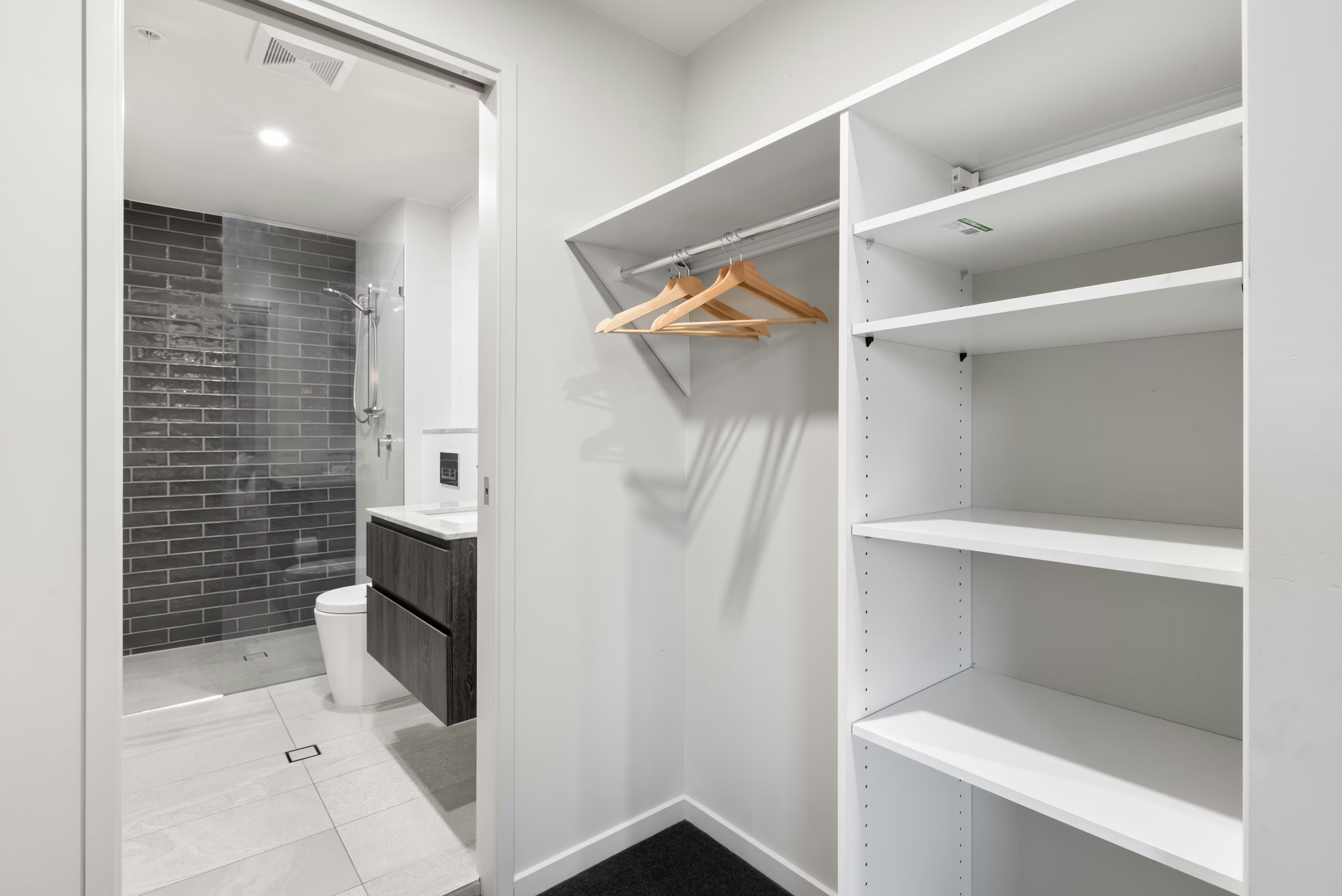
- Rod Height: 65 to 70 inches from the floor.
- Shelf Above: Place the shelf at roughly 72 inches.
3. The "Depth" Trap
Not all shelves are created equal. Buying the wrong depth is the most common mistake DIYers make.
- Hanging Space Depth: 24 inches. Coat hangers are roughly 18 inches wide, but bulky sleeves extend past that. If you frame a closet shallower than 24 inches, your sleeves will rub against the door.
- Sweater/T-Shirt Shelves: 12 to 14 inches. If you make shelves 24 inches deep, you will lose clothes in the back (the "black hole" effect). 14 inches is the sweet spot for folded denim and sweaters.
- Shoe Shelves: 12 inches (flat) or 14 inches (slanted).
4. The Closet Island
Everyone wants a center island with a jewelry drawer, but few closets can actually fit one.
The 36-Inch Rule Just like a kitchen, you need 36 inches of clearance on all sides of an island.
- Minimum Room Width Required: 10 to 12 feet.
- The Math: 24" hanging + 36" path + 24" island + 36" path + 24" hanging = 144 inches (12 feet).
If you force an island into a smaller room, you won't be able to open the drawers while standing in front of them.
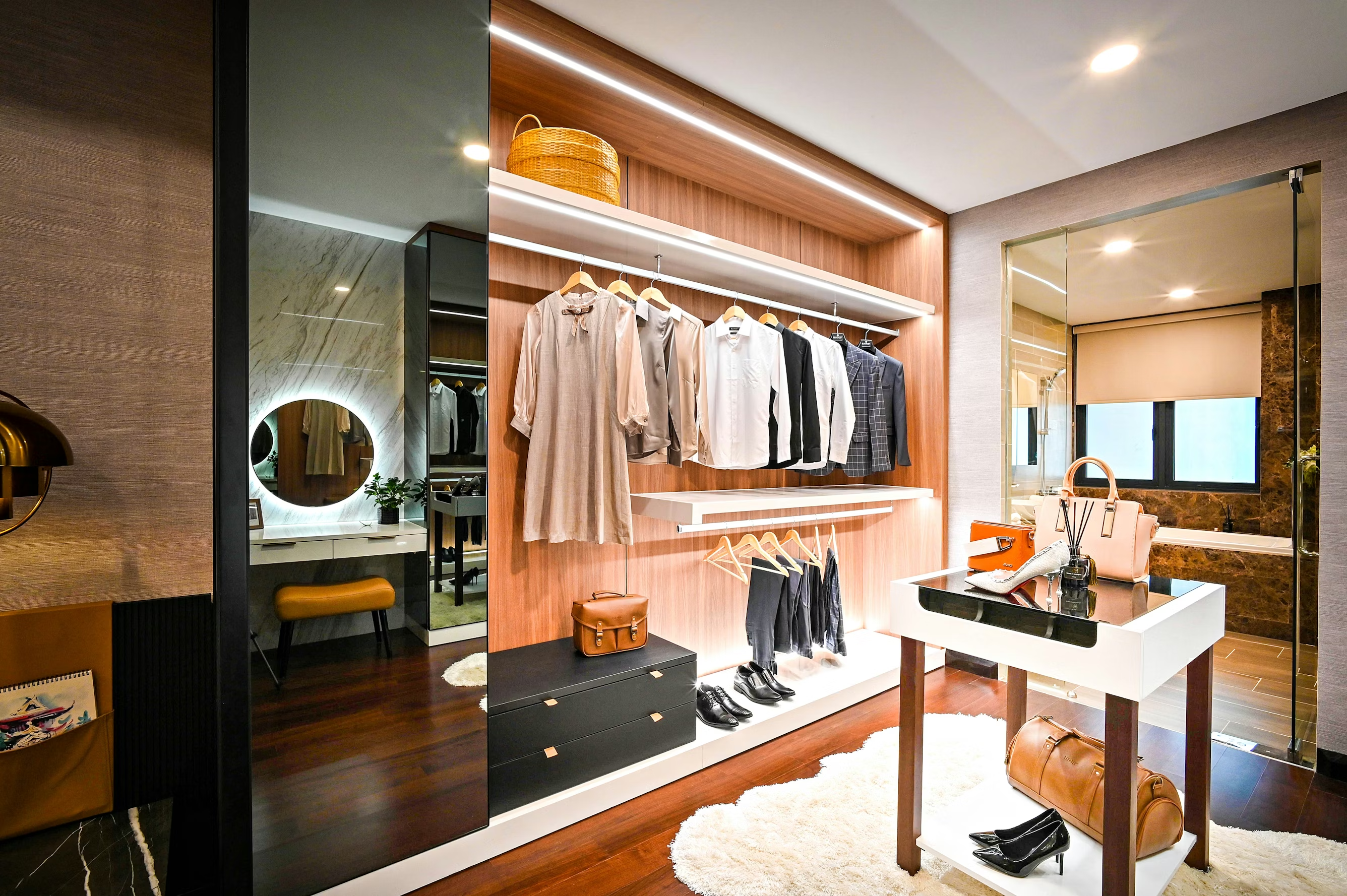
5. Lighting: High CRI is Key
Have you ever put on a navy suit only to realize outside that it's actually black? That is bad lighting.
- Color Temperature: Stick to 3000K to 3500K (Neutral White).
- CRI (Color Rendering Index): Look for bulbs with a CRI of 90+. This ensures colors look accurate.
- Placement: Do not put a light fixture directly in the center of the ceiling if you can help it. It casts shadows on your clothes. LED strip lighting on the vertical panels is the gold standard.
6. The "Corner" Problem
Corners are the enemy of closet design. Hangers bang into each other, creating dead space.
- The Fix: Don't wrap hanging rods around a corner. Run hanging storage on one wall, and use the adjacent wall for shelves. Shelves can butt up against hanging clothes much more efficiently than two rods can.
Visualize Your Wardrobe
Before you buy an expensive custom system (like California Closets or IKEA PAX), build the shell in RoomyLab.
- Draw your closet walls.
- Add "Closet Rods" from the furniture library.
- Check your walking path. Is it at least 30 inches?
- Test the storage: Can you fit that shoe rack without blocking the door?
A digital plan is the cheapest insurance policy you can buy for a renovation.
Inspired? Start planning now.
Use our free browser-based tool to visualize this advice in your own home. No account needed.
Launch RoomyLab Editor