Recessed Lighting 101: How to Calculate Spacing and Placement
Stop living in shadows or glares. Learn the 'ceiling height rule' for perfectly even recessed lighting without the 'Swiss cheese' look.
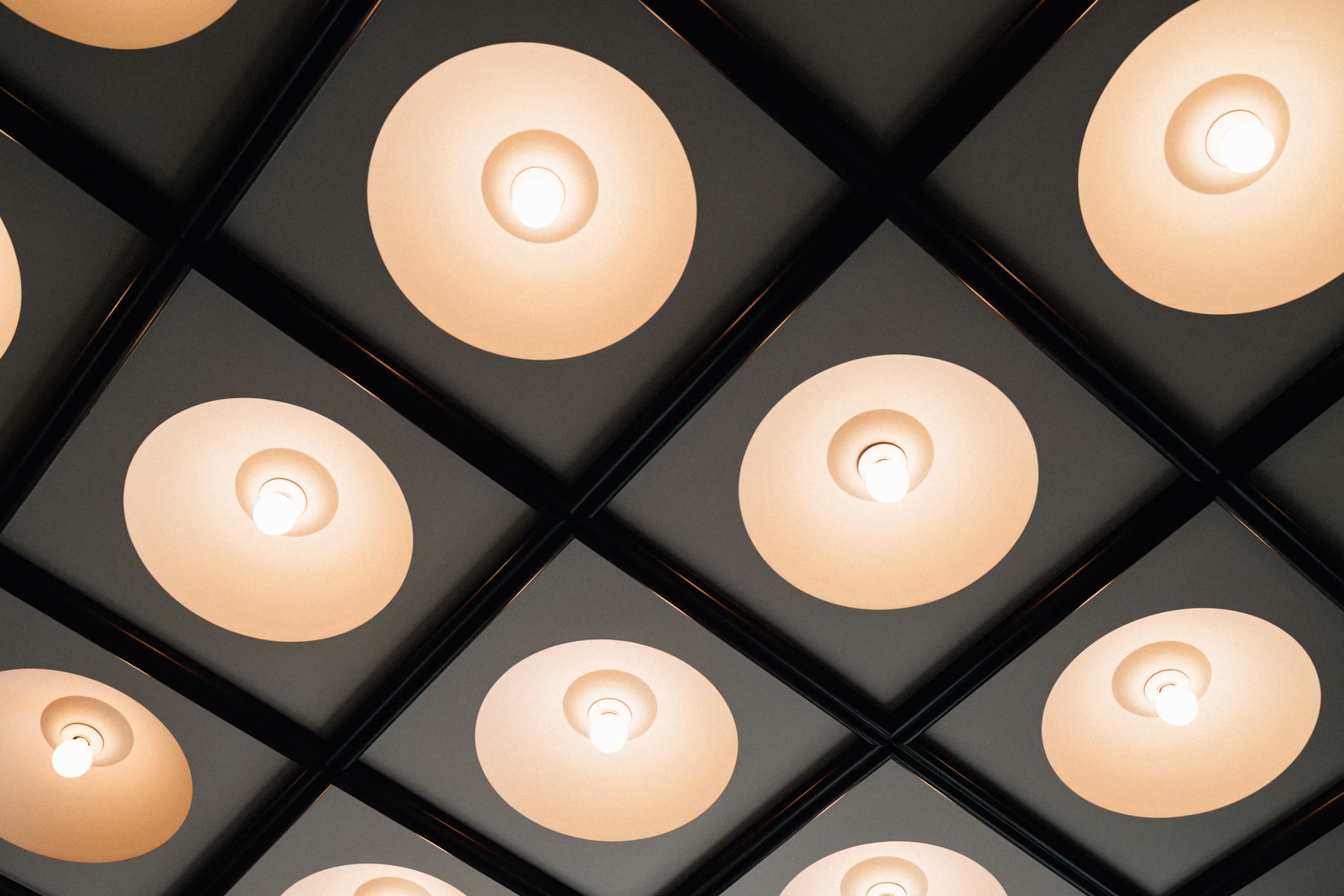
The Art of Invisible Light
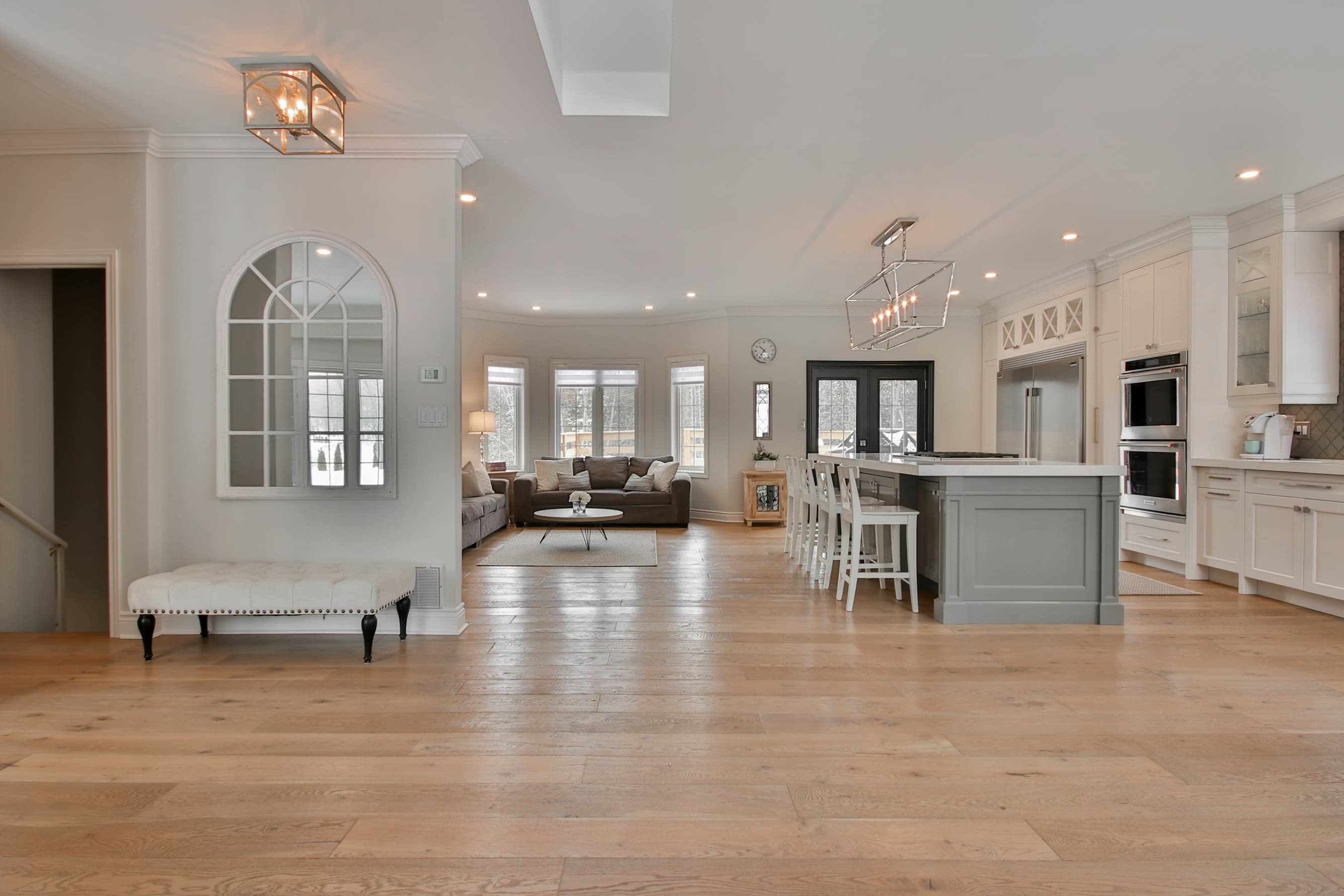
Recessed lights (or "can lights") are the workhorses of modern architecture. When done right, they make a ceiling feel higher and a room feel more expansive. When done wrong, your ceiling looks like a piece of Swiss cheese, and your living room feels like a retail parking lot.
The secret to a professional lighting plan isn't the brightness of the bulbs—it's the mathematical spacing.
Rule 1: The Ceiling Height Formula
The most common question is: "How far apart should the lights be?"
The Rule: Divide the height of your ceiling by two.
- If you have an 8-foot ceiling, space your lights 4 feet apart.
- If you have a 10-foot ceiling, space them 5 feet apart.
Why it works: This ensures the "cones of light" overlapping at floor level are perfectly balanced, eliminating dark spots between the fixtures.
Rule 2: The "Wall Wash" Distance
Don't push your lights too close to the walls, or you'll highlight every tiny bump and imperfection in your drywall.
- The Standard: Place your first row of lights between 24 and 36 inches away from the wall.
- The Exception: If you want to "wash" a feature wall (like a stone fireplace or a gallery wall) with light, move the fixtures closer—about 18 to 24 inches—and use a "gimbal" trim that allows you to aim the light.
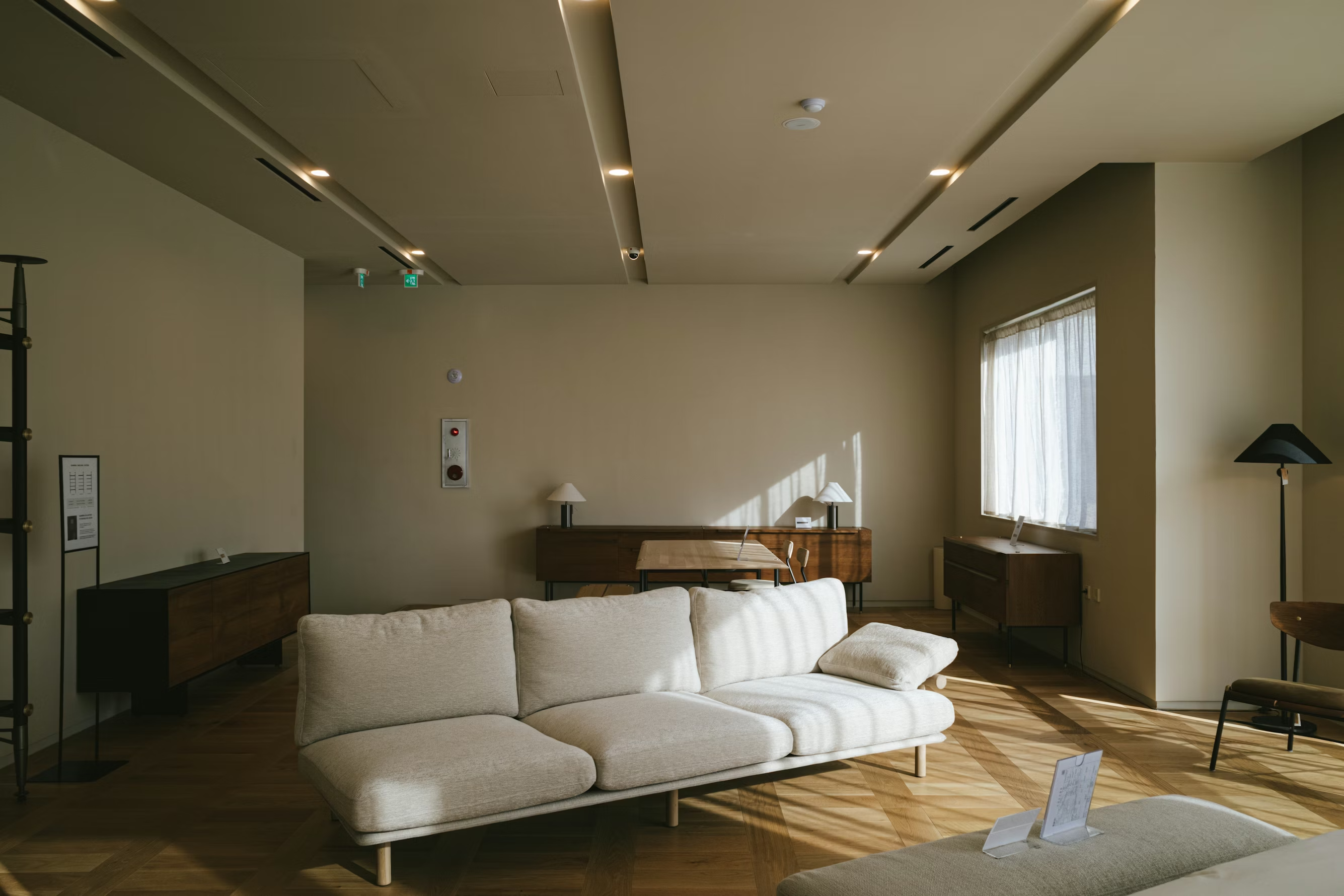
Rule 3: Avoid the "Shadow Trap"
In a kitchen or home office, placement is about more than just a grid. You must account for where you are standing.
The Mistake: Placing a recessed light directly behind your head while you work at a counter or desk. The Result: You create a shadow over your own workspace.
The Fix: Align the center of the recessed light with the edge of the countertop (usually 24-25 inches from the wall). This ensures the light falls in front of you, illuminating your task without shadows.
Rule 4: Scale the Fixture to the Room
Size matters. A 6-inch can light that looks great in a 20-foot foyer will look massive and bulky in a small bathroom.
- 4-inch fixtures: Sleek, modern, and perfect for standard 8-9 foot ceilings.
- 6-inch fixtures: Best for high-traffic areas or very high ceilings (10+ feet).
- 2-inch / 3-inch "Pin" lights: Best for accent lighting or niches.
Pro Tip: Always group your recessed lights on a dimmer switch. Being able to drop the intensity by 50% instantly turns a "workspace" into a "movie room."
Inspired? Start planning now.
Use our free browser-based tool to visualize this advice in your own home. No account needed.
Launch RoomyLab Editor